

The FBI’s Foreign Influence Task Force: A Shield Against Election Interference—Now Disbanded

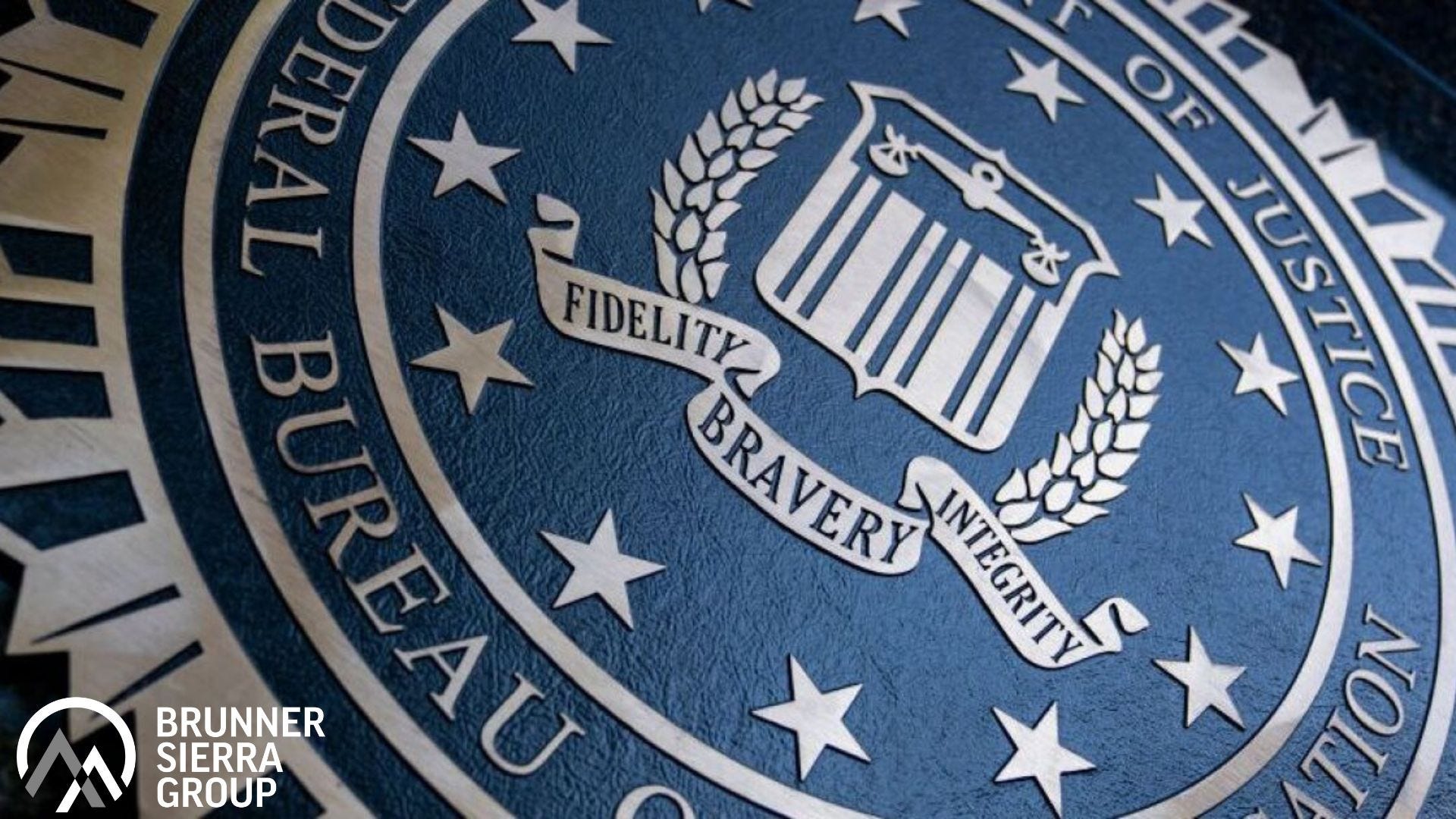
The Formation of the FBI’s Foreign Influence Task Force
In response to the growing threat of foreign interference in U.S. elections, the FBI created the Foreign Influence Task Force (FITF) in 2017. This initiative came in the wake of widespread concerns over Russian disinformation campaigns that were believed to have played a role in the 2016 presidential election.
The FBI recognized that foreign adversaries, including Russia, China, and Iran, were not only using cyberattacks but also leveraging social media platforms, misinformation, and financial influence to manipulate American voters. The FITF was established as a multi-agency team designed to detect, disrupt, and prevent foreign interference efforts that sought to destabilize U.S. democracy.
The Mission: Protecting America’s Elections
The primary role of the FITF was to combat foreign disinformation campaigns, cyber intrusions into election systems, and illicit financial influence efforts. Comprised of intelligence analysts, counterintelligence experts, and cybersecurity specialists, the task force worked alongside social media companies, the Department of Homeland Security, and the National Security Agency (NSA) to identify and counteract foreign operations aimed at misleading the American public.
Some of its key responsibilities included:
• Identifying foreign propaganda—tracking disinformation campaigns from state-sponsored actors.
• Monitoring cyber threats—preventing election infrastructure hacks, such as those targeting voter databases and election software.
• Tracing foreign financial influence—investigating foreign money funneled into political campaigns through undisclosed channels.
• Coordinating with social media platforms—advising companies like Facebook and Twitter on disinformation threats.
Examples of FITF Investigations
The FITF quickly became a frontline defense against election meddling. Some of its most notable investigations included:
• Russian Interference in the 2020 Election: The task force actively tracked Russian troll farms that spread false narratives about candidates, voting processes, and political divisions to sway public opinion.
• Chinese Influence Operations: The FITF monitored Chinese efforts to manipulate U.S. policy discussions through fake accounts and state-backed media campaigns.
• Iranian Disinformation Campaigns: Iran was caught spreading fake news targeting American voters, often posing as domestic political activists to stir tensions.
These investigations highlighted a growing and evolving threat: foreign entities were becoming more sophisticated in their approach, using AI-generated content, deepfake videos, and fake social media accounts to manipulate public opinion on a massive scale.

Attorney General Pam Bondi’s Decision to Shut Down the FITF
Despite its critical role in protecting national security, Attorney General Pam Bondi made the decision to shut down the Foreign Influence Task Force in January 2025. AG Bondi argued that the task force was overreaching in its authority and that efforts to counter foreign influence were being weaponized for political purposes. Her decision came amid increasing political scrutiny over federal agencies investigating election security threats.
Critics argue that dismantling the FITF was a move that weakens U.S. national security. The task force was the FBI’s leading entity in countering foreign election interference—without it, adversarial nations now have an open invitation to manipulate future elections without a dedicated investigative unit to stop them.
The National Security Implications of Disbanding the FITF
The shutdown of the FITF leaves a dangerous gap in America’s election security at a time when threats from foreign governments are at an all-time high. Without a dedicated unit to track disinformation, cyber threats, and illicit foreign financial influence, the U.S. is now more vulnerable to manipulation than ever before. The disbandment of the task force could lead to:
1. Increased Disinformation – Without the FITF actively countering false narratives, foreign entities will have free rein to spread propaganda and influence voters.
2. Cyber Vulnerabilities – Election infrastructure, including voter databases and ballot machines, is now at greater risk of cyberattacks without a specialized FBI team focused on protecting them.
3. Foreign Political Influence – Countries like Russia and China can now operate with less scrutiny, funneling money into U.S. campaigns and policy discussions through hidden channels.
With a pivotal election approaching in 2028, the absence of the FITF could have devastating consequences for American democracy.
A Dangerous Precedent
The dismantling of the Foreign Influence Task Force represents a massive setback for U.S. national security. Election integrity is a cornerstone of democracy, and foreign adversaries have already demonstrated their ability to influence American political discourse. Shutting down the FBI’s leading unit for countering election interference sends a dangerous message—that America is no longer actively defending itself against foreign manipulation.
In a time where digital warfare and political disinformation are becoming more advanced, the United States should be doubling down on counterintelligence efforts—not eliminating them. The question now remains: without the FITF, who will protect America’s elections from foreign adversaries?